Traceability starts before production
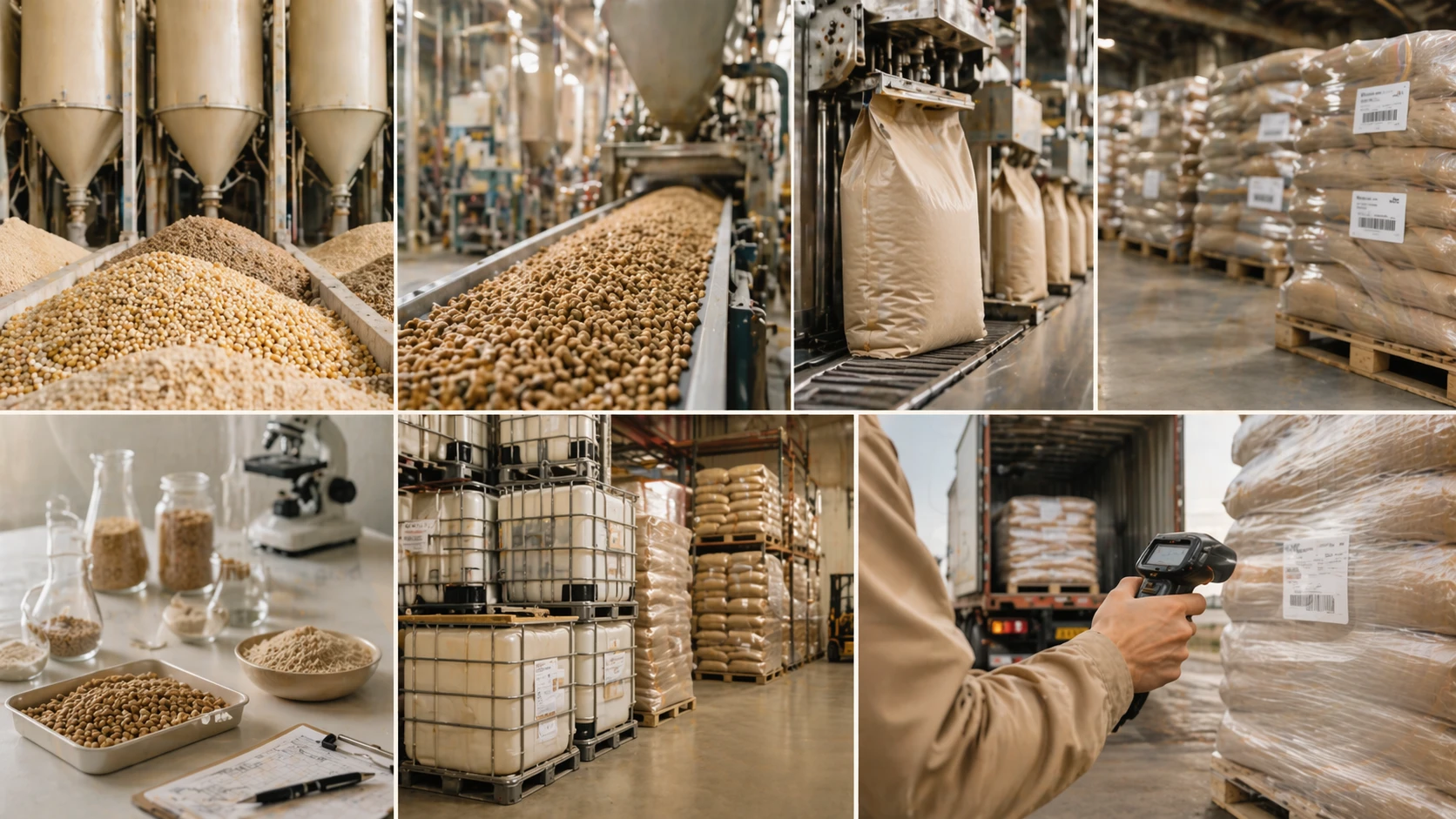
Feed mill traceability begins when ingredients arrive. Supplier, purchase order, receipt, lot, quantity, location, and quality context need to be captured before the material is consumed. If the receiving record is incomplete, every downstream investigation starts with a blind spot.
Lot-aware inventory turns receiving data into usable operational evidence. It shows where a material was stored, how it moved, whether it was split, and what remained available at each point in time. That same lot context is what lets formulas respect real ingredient availability.
Batch records are the bridge
A production batch connects formula intent to actual material use. It should preserve the formula snapshot, raw material lots, production line, timing, operator context, and finished output. That record becomes the bridge between ingredient risk and customer exposure.
When batch records are disconnected from inventory, traceability becomes reconstruction work. When they are connected, the genealogy is available immediately.
Recall readiness is an operating discipline
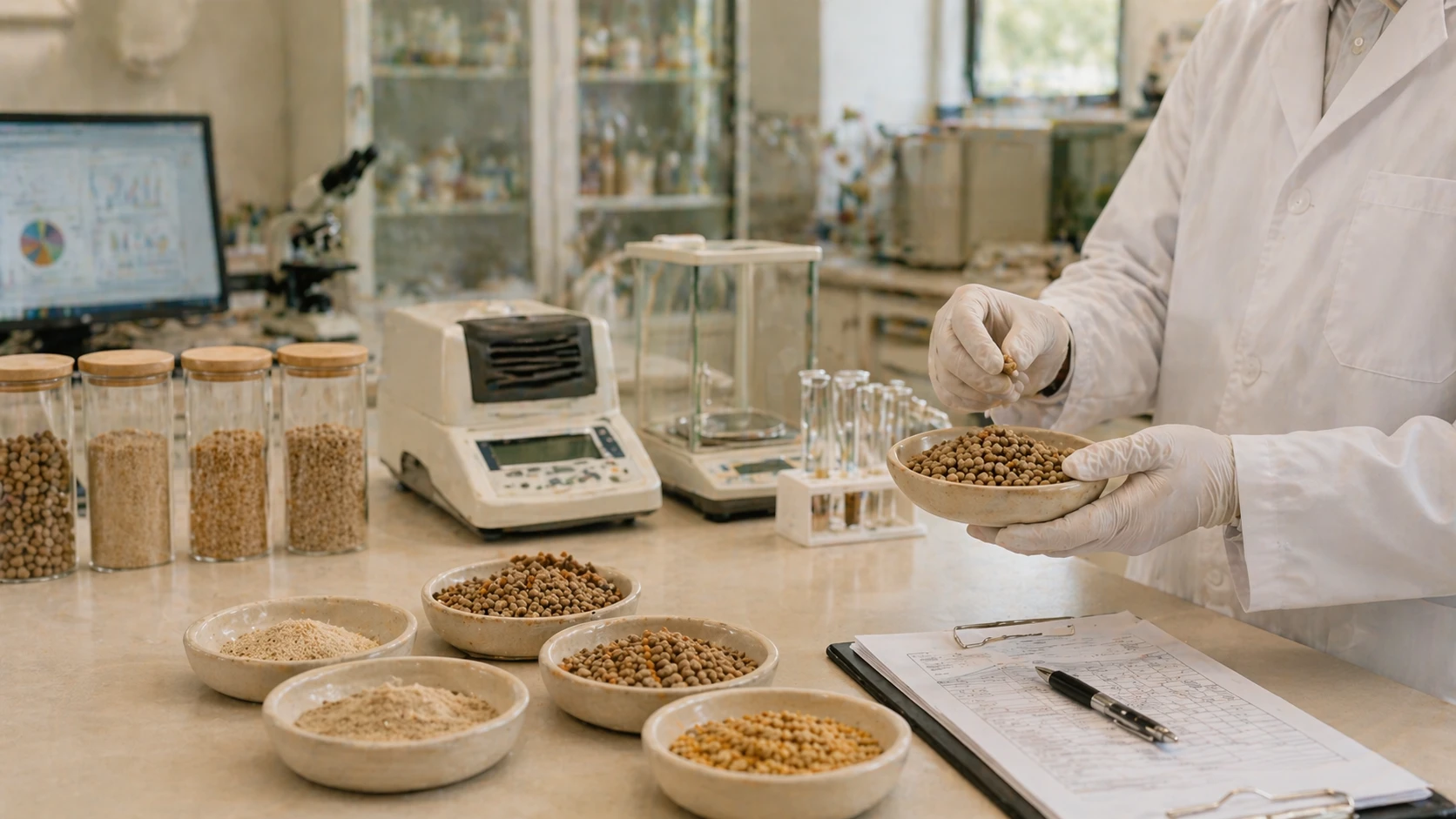
A recall investigation is not the time to build the data model. Teams need routine lot capture, consistent batch closure, disciplined shipment records, and clear responsibility for corrections. The goal is not only compliance. It is reducing the time between a question and a defensible answer.
What software should support
Traceability software should connect purchasing, receiving, inventory, production, quality, and distribution. It should show genealogy in both directions, preserve source records, and help teams narrow scope instead of overreacting to uncertainty. How far a platform integrates these areas is a key criterion in our comparison of the best feed formulation software for feed mills.